
Using Rainwater for Healthier Houseplants at Home
What dormancy actually means for a houseplant
Dormancy is a word we borrow from the garden, and it can be slightly misleading indoors. A houseplant is not sleeping the way a bare apple tree is. What most of our tropical favourites do through the British winter is slow down — producing no new leaves, holding existing ones, and quietly ticking over until the light returns.
Understanding why this happens makes the care decisions much easier. Three things shift at once: daylight hours shrink, light intensity drops sharply, and the air in our homes becomes warmer and drier thanks to central heating. The plant responds by reducing its metabolism. Roots take up less water, growth hormones settle, and any energy it makes is spent on maintenance rather than expansion.
The practical upshot is simple: the plant's needs fall away, so your care should fall away too. Most winter houseplant casualties are not caused by neglect. They are caused by kindness — watering and feeding on the same schedule as June.
Read the light, not the calendar
Between November and February, even a bright south-facing windowsill receives a fraction of the light available in midsummer. Plants that looked perfectly happy in July may now be sitting in what is, from their point of view, deep shade.
- Move plants closer to the glass, but not touching it. Cold panes can chill leaves overnight.
- Keep them clear of draughts from vents and doors, and away from radiators, which strip moisture from foliage.
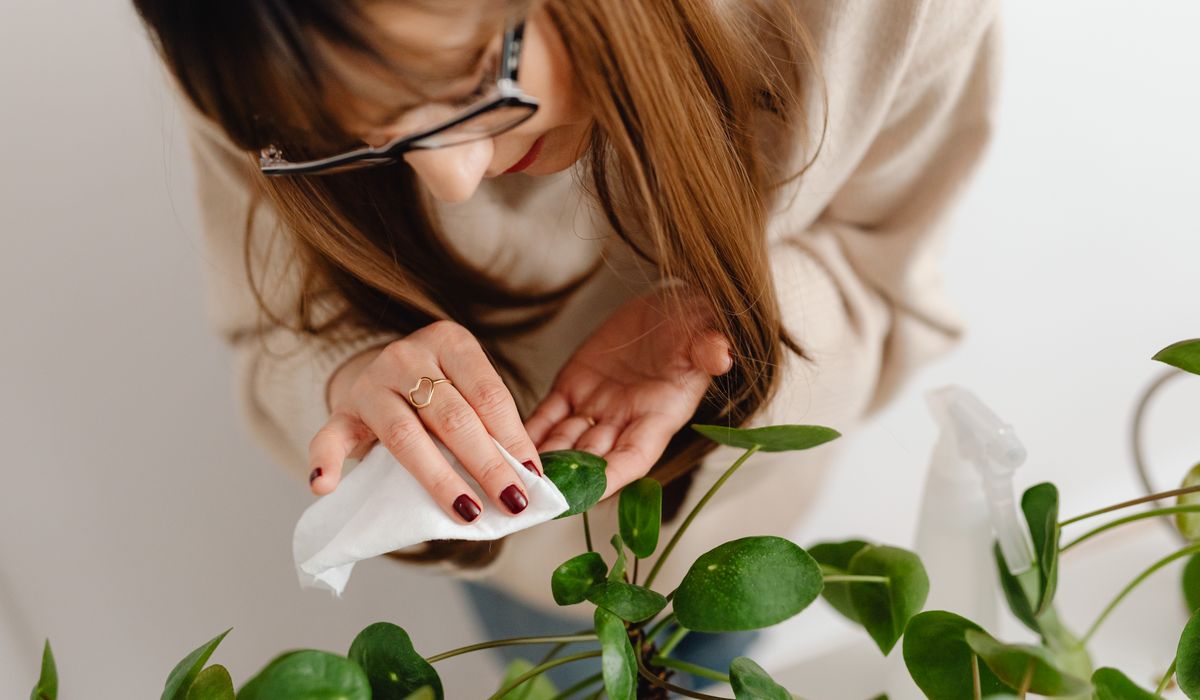
- Wipe leaves with a damp cloth every few weeks. Dust blocks the small amount of light you do have.
- Rotate pots a quarter turn weekly so growth does not lean permanently towards the window.
If you want to spend money on one winter purchase, a simple grow light will do more for a struggling plant than any bottle of feed.
Watering: the change that matters most
This is where winter goes wrong. Compost that dried out in three days in August may now stay damp for a fortnight. Roots sitting in cold, wet soil cannot breathe, and root rot follows quietly — often showing up as yellowing lower leaves that look, confusingly, like underwatering.
Check before you pour. Push a finger two to three centimetres into the compost, or lift the pot to judge its weight. A moisture meter is useful if you are unsure. Then:
- Water less often, and in smaller amounts, rather than giving the usual generous soak.
- Always let the pot drain fully, and never leave it standing in a saucer of water.
- Use water at room temperature. Straight from a cold tap can shock tropical roots.
- Remember that terracotta dries faster than glazed ceramic or plastic, so pots behave differently.
- If in doubt, wait another few days. Very few houseplants die of a missed watering in January.
Succulents, cacti and snake plants often need almost nothing at all — perhaps a light drink once every four to six weeks.
Hold off on the plant food
Feeding a resting plant is like serving a three-course meal to someone who is asleep. It cannot use the nutrients, they accumulate in the compost as salts, and they can push out weak, pale growth at exactly the wrong time of year.
For most houseplants, stop feeding from around October and do not resume until you see fresh growth in spring — usually March or April in the UK. When you restart, begin at half the recommended strength for the first month or two.
There are exceptions worth knowing. Plants growing under artificial lights, or those actively flowering such as a Christmas cactus or an African violet in bloom, can have a weak feed every six weeks or so. Everything else can wait.
Resist repotting, moving and pruning
Repotting in winter is one of the most common mistakes. Disturbing the roots causes damage that a slow-metabolism plant heals very poorly, and fresh compost around idle roots holds moisture for longer than it should. Wait until spring, when new growth gives the plant the energy to recover. The same goes for hard pruning and taking cuttings from slow growers.
Try to keep conditions stable as well. A plant moved from a warm living room to a cold spare bedroom, or shuffled around every time you tidy, has to re-adjust each time. Pick a spot and leave it.
What you should keep doing is inspecting. Warm, dry indoor air suits mealybug, spider mite and scale rather well. Check leaf undersides, the joints where leaves meet stems, and the rim of the pot. A monthly lukewarm shower in the bath dislodges dust and pests alike, and grouping plants together raises humidity around them.
Some plants keep going, and some truly rest
Not every plant follows the same script, and knowing which group you are dealing with saves a lot of second-guessing.
- Slow but active: Monstera, pothos, philodendron, ficus and peace lilies in a warm, bright room may still unfurl the odd leaf. Give them a lighter version of summer care — less water, no feed, same light.
- Genuine resters: desert cacti and most succulents, snake plants and ZZ plants. Cooler temperatures and very little water suit them; a cactus kept at around 7–10°C and barely watered will reward you with far better spring growth.
- Winter bloomers: Christmas cactus and some orchids use the short days to set bud, so keep them away from draughts and do not move them once buds appear.
Winter is a season for watching rather than doing. Keep the watering can light, put the feed away, leave the roots undisturbed, and let the light do the rest. Come March, when the first new shoot appears, you can pick up the pace again — and your plants will be in far better shape for having been left alone.
LEAVE A COMMENT