
Cleaning Leaves to Help Indoor Plants Breathe
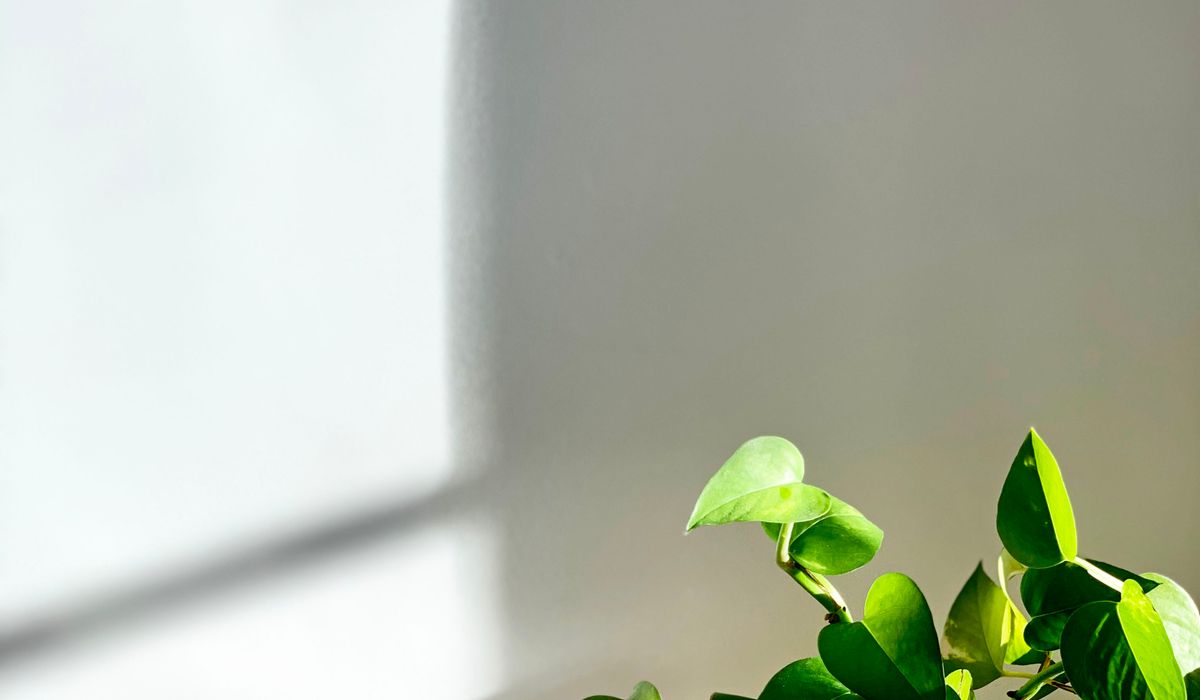
Spring is the season your houseplants quietly wake up. As daylight stretches and the sun climbs higher, growth resumes and plants that have sulked since October suddenly start pushing out new leaves. It is also the best window in the year for a few straightforward jobs that pay off handsomely: refreshing tired compost, easing back into feeding, and cutting away anything that has gone leggy or sad. Do these now, while growth is just gathering pace, and you will have bushier, healthier plants right through to autumn.
Read the Light Before You Reach for the Watering Can
Before you change anything else, look at where your plants are actually sitting. Light levels indoors can double between February and April, and a spot that was perfectly adequate in midwinter may now be brighter than a shade-loving plant wants. Equally, plants that were struggling on a north-facing sill can be nudged closer to the glass now.
- Clean windows inside and out — grimy glass can cut light by a surprising amount.
- Rotate pots a quarter turn each week so growth stays even rather than leaning.
- Increase watering gradually rather than jumping straight to a summer schedule.
- Check the top two to three centimetres of compost with your finger before watering; water thoroughly until it runs from the drainage holes, then empty the saucer after fifteen minutes.
Cooler nights and warmer days mean compost dries unevenly. Little and often is usually a mistake — a proper soak, then a period of drying back, encourages stronger roots.
Refresh Compost and Pot On What Needs It
Compost does not last forever. Over a year or two it collapses, loses structure and accumulates the salts left behind by tap water and fertiliser. Early spring, just as roots stir into action, is the ideal moment to deal with it.
Signs a plant is ready for a bigger pot include roots appearing through the drainage holes, water running straight through the compost, a white crust on the surface, or growth that has stalled despite good light.
- Choose a container only two to three centimetres wider than the old one — too much bare compost can sour before roots reach it.
- Use a free-draining mix: roughly two parts peat-free multipurpose compost, one part perlite, and one part orchid bark suits most foliage plants.
- Tease out circling roots gently, and set the plant at the same depth it was before — never bury the crown.
- Water in well and keep the plant out of direct sun for a week while it settles.
If a plant is too large to repot, simply topdress it: scrape away the top few centimetres of old compost and replace it with fresh, perhaps with a handful of worm castings mixed through. Do not feed for four to six weeks after repotting if the new compost already contains nutrients.
Feed Gently as New Growth Appears
Start feeding when you see signs of fresh growth, not before. A half-strength balanced liquid feed every two to four weeks is plenty for most plants in early spring; you can move to full strength by late spring if growth is strong. The old maxim of "weakly, weekly" is a good one to follow.
- Never feed dry compost — water first, then feed, to avoid burning tender roots.
- Leafy plants such as monstera and pothos appreciate a slightly higher-nitrogen feed.
- Switch to a higher-potash feed once buds appear on flowering plants.
- Hold off entirely on recently repotted, poorly, or still-dormant plants.
Prune, Pinch and Shape for Bushier Plants
Spring pruning is what turns a straggly plant into a full one. Cut back leggy stems to just above a leaf node or joint, using sharp, clean snips, and remove no more than a third of the plant at once.
Pinching out the growing tips of coleus, fuchsia, tradescantia and pothos encourages sideshoots and a denser habit. Trailing plants benefit twice over: cut the longest vines back and tuck the cuttings into the same pot to fill gaps. At the same time, strip away yellowing, damaged or dead leaves, and deadhead any spent flowers. Remove any fallen leaf resting on the compost surface, as it invites rot and fungus gnats.
Wash Leaves and Check for Pests
Dust blocks the pores that leaves use to breathe, so give them a wash. A lukewarm shower works wonders for most plants — cover the compost with a bag first — or simply wipe each leaf with a damp cloth, supporting larger leaves from underneath with your free hand. Glossy leaves respond especially well.
While you are handling every leaf, check for pests. Spring is peak season for them, and early action saves weeks of trouble.
- Mealybugs: white, cottony clusters in leaf joints. Dab with a cotton bud dipped in rubbing alcohol, then treat with insecticidal soap.
- Spider mites: fine webbing and mottled leaves, favoured by warm, dry air. Raise humidity and repeat treatment every four to six days for three weeks.
- Fungus gnats: small flies rising from the compost. Use yellow sticky traps, let the surface dry out, and water from below.
- New arrivals: keep any new plant away from the rest for a fortnight before introducing it.
Humidity, Airflow and Your Spring Checklist
As heating switches off and windows open, indoor air changes character. Group plants together to create a little humid microclimate, stand pots on pebble trays, and keep them clear of cold draughts and direct radiator heat. Skip misting on fuzzy-leaved plants such as African violets and begonias, which resent wet foliage. Gentle airflow does more for plant health than most people realise, so leave a little space between pots rather than packing them shoulder to shoulder.
Your spring checklist, in short:
- Clean windows and reposition plants for changing light.
- Water more often, but only when the top of the compost has dried.
- Repot or topdress anything that has outgrown its compost.
- Begin half-strength feeding once new growth shows.
- Prune, pinch and tidy, then wash leaves and inspect for pests.
Work through these tasks over a few weekends rather than all at once, and you will be rewarded with plants that look noticeably fuller by midsummer — and far better equipped to cope with whatever the season throws at them.
LEAVE A COMMENT